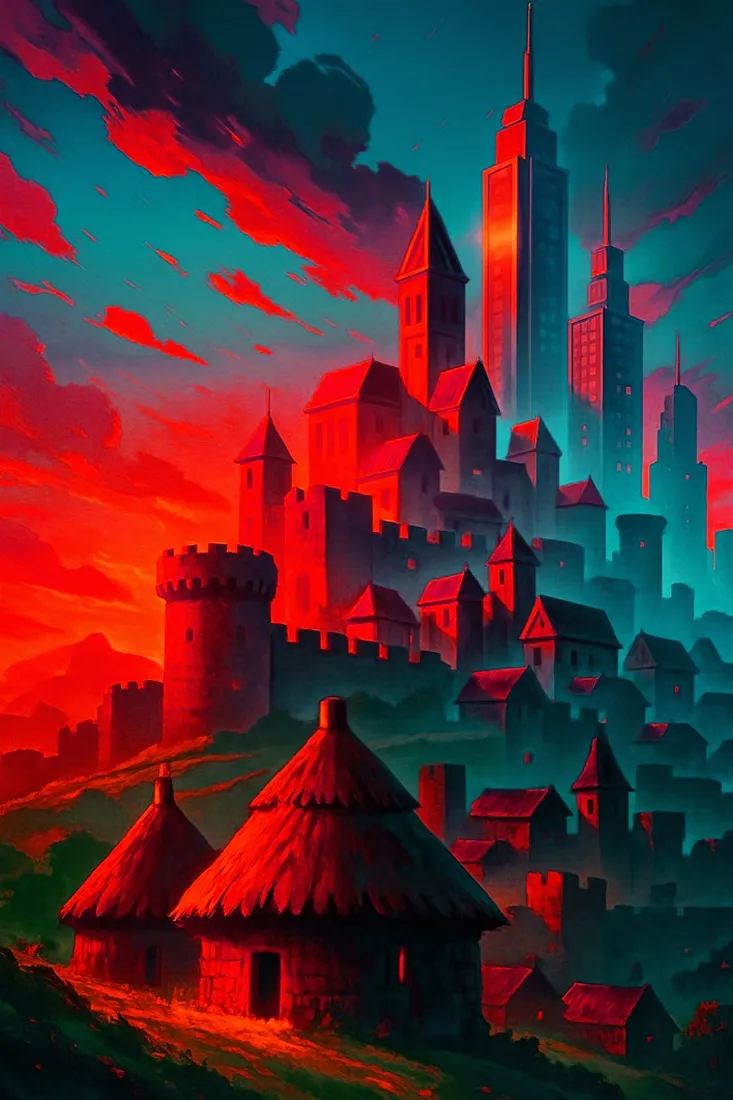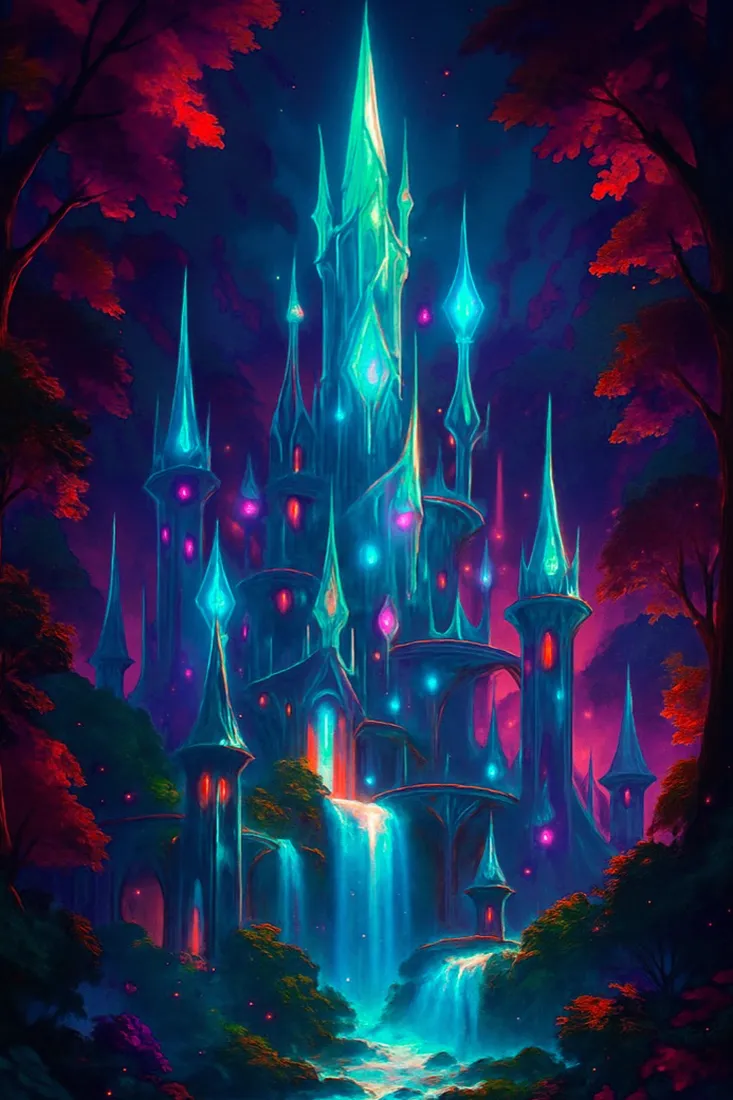
Elvenar feels like the quiet sibling of Forge of Empires. It comes from the same studio, shares some of the same rhythms of production and research, but trades battle-hardened history for a softer fantasy world. Your first decision, elves or humans, sets the tone: elves lean into magic, with creatures and buildings to match, while humans favour medieval craftsmanship and weaponry.
We built an elven city and a human one side by side over three weeks. Both were relaxing in the evenings and absorbing at the weekends, and both ran into the same delightful problem. There is never quite enough room, and the game gives you endless reasons to tear up a perfectly nice street and lay it out again.
Elves or humans, and why the choice matters
The race you pick changes the look of every building and the flavour of your army, and it nudges how you approach the game. Elven cities glow with enchanted architecture; human cities have stone walls and timbered workshops. Neither is a beginner’s trap, and the core systems of residences, workshops, factories and research are shared, so you can pick on taste alone.
What we appreciated is how much character the art gives each choice. Nearly every structure can be upgraded and visually transformed, so a modest workshop grows into something grand over time. That makes upgrading feel rewarding in a way pure numbers never could. You can see your progress from across the room, and friends peering over your shoulder will understand it instantly.
A research tree with more than two hundred branches
The developer describes more than 200 improvements in the research menu, and the tree is where most long-term decisions live. Research unlocks new buildings, larger versions of existing ones and the expansions that give you more land. It moves at a steady pace, and planning a few steps ahead is the difference between a smooth week and one spent waiting.
Exploration on the world map ties in neatly. Quests send you out to nearby provinces, and you can pick up rare relics that boost the production of your goods. Trading with other players fills the gaps in your own output, which encourages specialisation and a bit of friendly negotiation. It all knits together into a builder that rewards forethought rather than frantic clicking.
Guests through the portal and wonders to raise
Later in the game, guest races arrive through a portal and ask you to build separate sub-cities that produce their own special resources. It is a clever way to refresh the mid-game: just as your main city settles into routine, you have a new district with new rules to learn. InnoGames’ own news posts have announced races such as the Dwarves joining the world over the years.
Ancient Wonders are Elvenar’s landmarks. Each race has its own wonders in the research menu, they vary in looks and effects, and you upgrade them with knowledge points. Guest races can also reward you with unique buildings. These wonders give the long game a sense of direction, though the cost of upgrading them grows steep enough that patience becomes a skill in its own right.
Fellowships, tournaments and the Spire
Fellowships are Elvenar’s player teams, and they add warmth without demanding constant attention. Members earn experience for the group through shared activities, and team events give everyone something to work towards. Tournaments reward collective effort, and the Spire is a recurring event in which the fellowship unlocks crystals together. None of it is aggressive; this is cooperation, not conquest.
That gentleness is Elvenar’s strength and, occasionally, its weakness. You rarely feel pressured, which is lovely after a long day, but you also rarely feel the spike of excitement that Rail Nation’s endgame provides. If you want a builder to sit beside a crossword and a pot of tea on a wet British evening, it is near perfect. If you want drama, look elsewhere.
Seven days to settle into Elvenar
- Pick the race whose art you like most; both share the core systems and neither is a trap.
- Follow the early quests, which teach production, research and expansions at a sensible pace.
- Plan your research a few steps ahead so you are not stuck waiting on a single technology.
- Explore nearby provinces on the world map and keep an eye out for relics that boost goods.
- Join a fellowship by the weekend so you can take part in tournaments and team events.
What we love
- Beautiful, upgradeable buildings make every bit of progress visible at a glance.
- Guest races refresh the mid-game with new districts and new production rules.
- Fellowship events feel cooperative and friendly rather than pushy or competitive.
- A research tree of over two hundred improvements gives plenty of long-term direction.
What grates
- Space is tight, and redesigning districts can become a chore over time.
- Wonder upgrades grow very slow without spending or a lot of patience.
- It lacks the dramatic peaks that competitive multiplayer builders deliver.
Who will love Elvenar
Elvenar is for players who love a handsome city, enjoy planning a research path and want a team that cheers them on rather than pushes them. It is ideal for calm evening sessions and for anyone who found Forge of Empires a little too martial.
Our call on Elvenar
Elvenar is the most attractive builder in the yard, and beneath the elegant art lies a thoughtful game of space, research and trade. Guest races keep it fresh, Ancient Wonders give it ambition and fellowships give it company. It is a touch slower and less dramatic than our top two, but for sheer pleasant, absorbing city-making it is very hard to fault.